
Tooth-Colored Dental Fillings
Seamless, durable, and biocompatible restorations that eliminate cavities, prevent toothaches, and perfectly match the natural shade of your smile.
What is a Dental Filling?
A dental filling is a minimally invasive restorative treatment designed to repair teeth damaged by decay (cavities), micro-fractures, or daily enamel wear. By removing bacteria and sealing the cavity with high-grade biocompatible composite resin, we restore the tooth's structural strength and natural anatomy.
When Do You Need a Dental Filling?
- Active Cavities: Halting decay before it reaches the nerve and pulp chamber.
- Chipped or Fractured Teeth: Rebuilding biting edges and aesthetic tooth symmetry.
- Enamel Wear & Erosion: Protecting sensitive exposed dentin caused by acid or grinding.

Signs You Might Have a Cavity
Early cavities are often painless. Keep an eye out for these telltale symptoms:
Sharp twinges when drinking cold water, hot tea, or eating sweets.
Sudden pain when chewing on a specific tooth surface.
Brown, black, or chalky white spots forming on tooth enamel.
Fibrous food constantly catching between the exact same teeth.
Causes of Tooth Decay
Cavities develop when bacteria demineralize enamel over time:
Bacteria feed on sugars and produce enamel-destroying lactic acid.
Frequent snacking and carbonated sodas weaken protective enamel.
Missing interdental flossing allows hidden decay between teeth.
Plaque calcifies into tartar, requiring professional ultrasonic cleaning.
Types of Dental Filling Materials
We utilize world-class, mercury-free filling materials tailored for long-lasting strength and lifelike aesthetics.
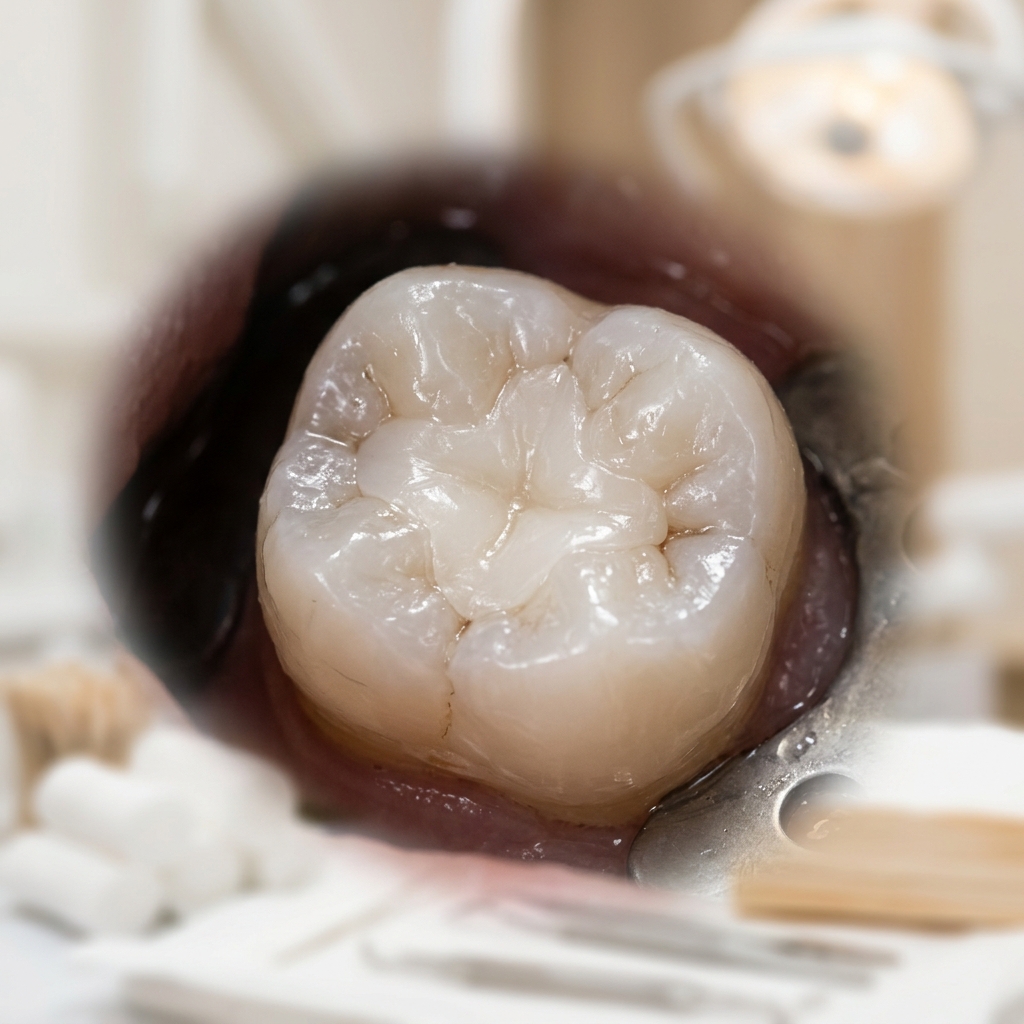
Composite (Tooth-Colored)
The gold standard for modern aesthetics. Shade-matched resin chemically bonds directly to your natural enamel, invisible even up close.
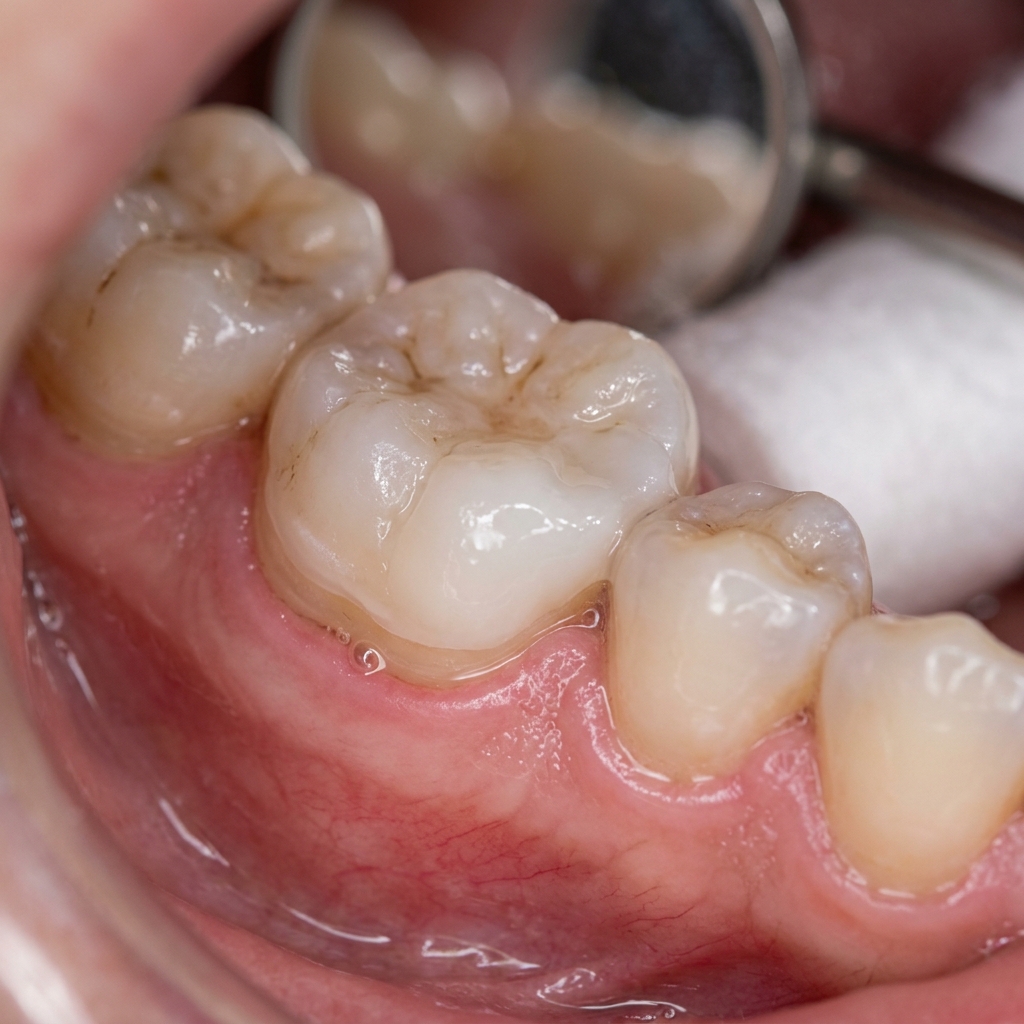
Glass Ionomer Cement (GIC)
Bioactive material that slowly releases fluoride to prevent future secondary decay. Ideal for pediatric teeth and root cavities along the gumline.
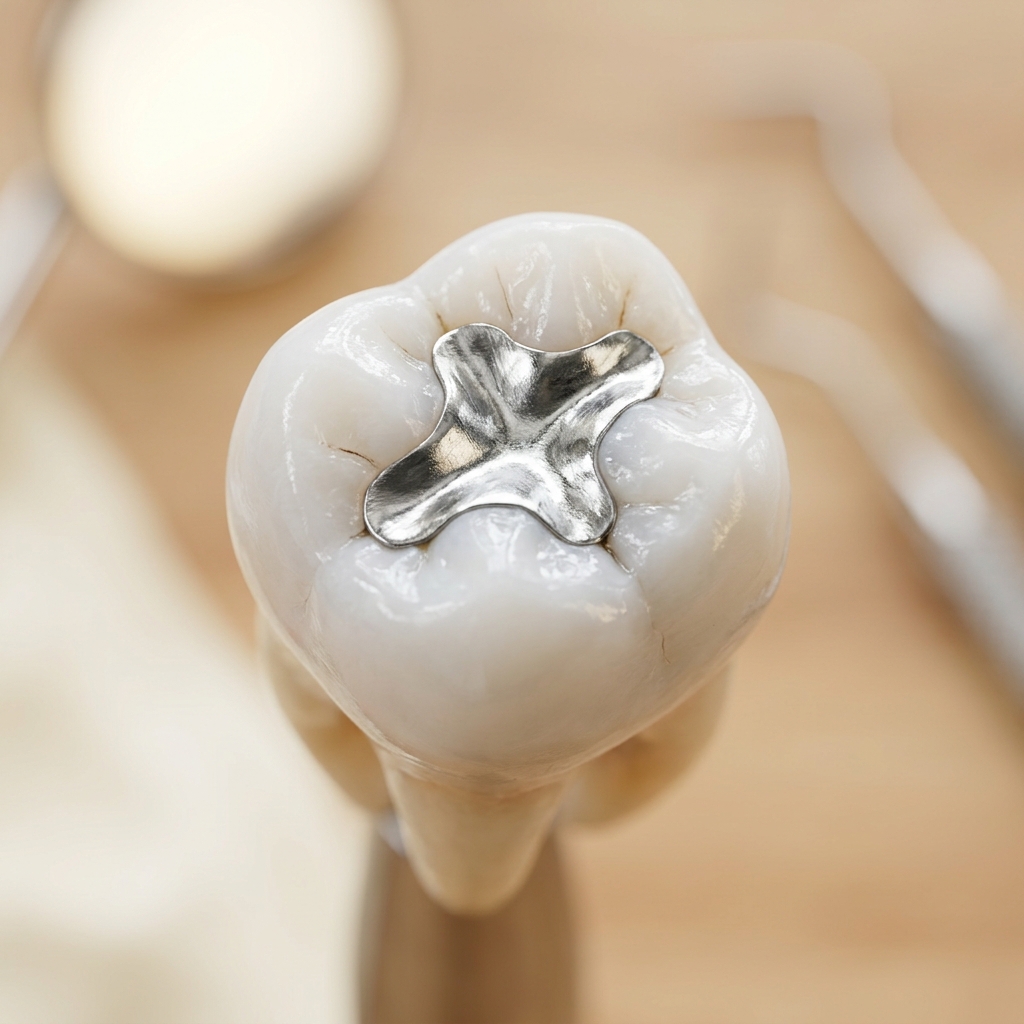
Ceramic Inlays & Onlays
Custom-milled porcelain restorations for deep, extensive cavities where a standard filling isn't enough but a full crown isn't needed.
During your consultation, our senior dentists will assess the size, location, and bite forces of your tooth to recommend the ideal restorative material for lifelong durability.
Benefits of Early Dental Fillings
Restoring a cavity early protects your natural tooth and saves you from root canals or extractions.
Stops Decay Spread
Seals micro-spaces to prevent bacteria from reaching the inner nerve chamber.
Relieves Sensitivity
Insulates exposed dentin tubules, eliminating hot and cold temperature pain.
Saves Natural Teeth
Avoids future expensive root canal procedures or premature tooth loss.
Flawless Cosmetics
Matches your exact natural enamel shade so no one can tell you had work done.
Our 6-Step Filling Process
Comfortable, gentle, and completed in a single 30-minute visit:
Examination & X-Ray
Accurately assess cavity depth and tooth structure.
Gentle Anesthesia
Targeted numbing gel for 100% painless care.
Decay Removal
Carefully disinfect and clean the infected area.
Tooth Conditioning
Apply bonding agent to securely lock the resin.
Layering & LED Cure
Shade-matched resin hardened in seconds with blue LED.
Bite Shaping & Polish
Fine-tuned to your natural bite for smooth comfort.
Dental Filling Charges
100% Transparent & Fair Pricing
Composite Filling (Single Surface)
Tooth-colored aesthetic restoration
Composite Filling (Multi-Surface)
Deep cavity, cusp restoration
Glass Ionomer Filling (GIC)
Fluoride releasing (Per tooth)
* Note: Cost depends on cavity depth, the number of affected surfaces, and the material selected. Exact quotation provided before beginning treatment.
Book Tooth RestorationPost-Filling Care Tips
Avoid chewing hot food until local anesthesia wears off to avoid biting your cheek or tongue.
Slight sensitivity to ice or hot drinks is completely normal for 2-3 days after deep cavity treatment.
Brush twice daily and floss between teeth to protect the margins of your new filling.
“I had a noticeable cavity right on my front incisor and was anxious it would look fake. Dr. Niko used a composite filling that matches my tooth color 100%. You can't even tell I had any work done!”
Frequently Asked Questions
Related Dental Services

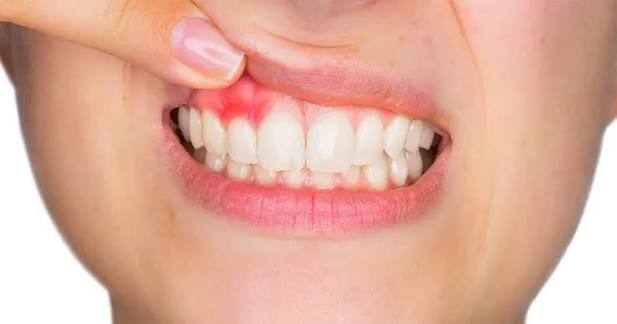
Don't Wait Until Decay Causes Pain
Early restoration stops decay in its tracks and preserves your natural tooth structure. Book an appointment today for a painless, invisible filling.